
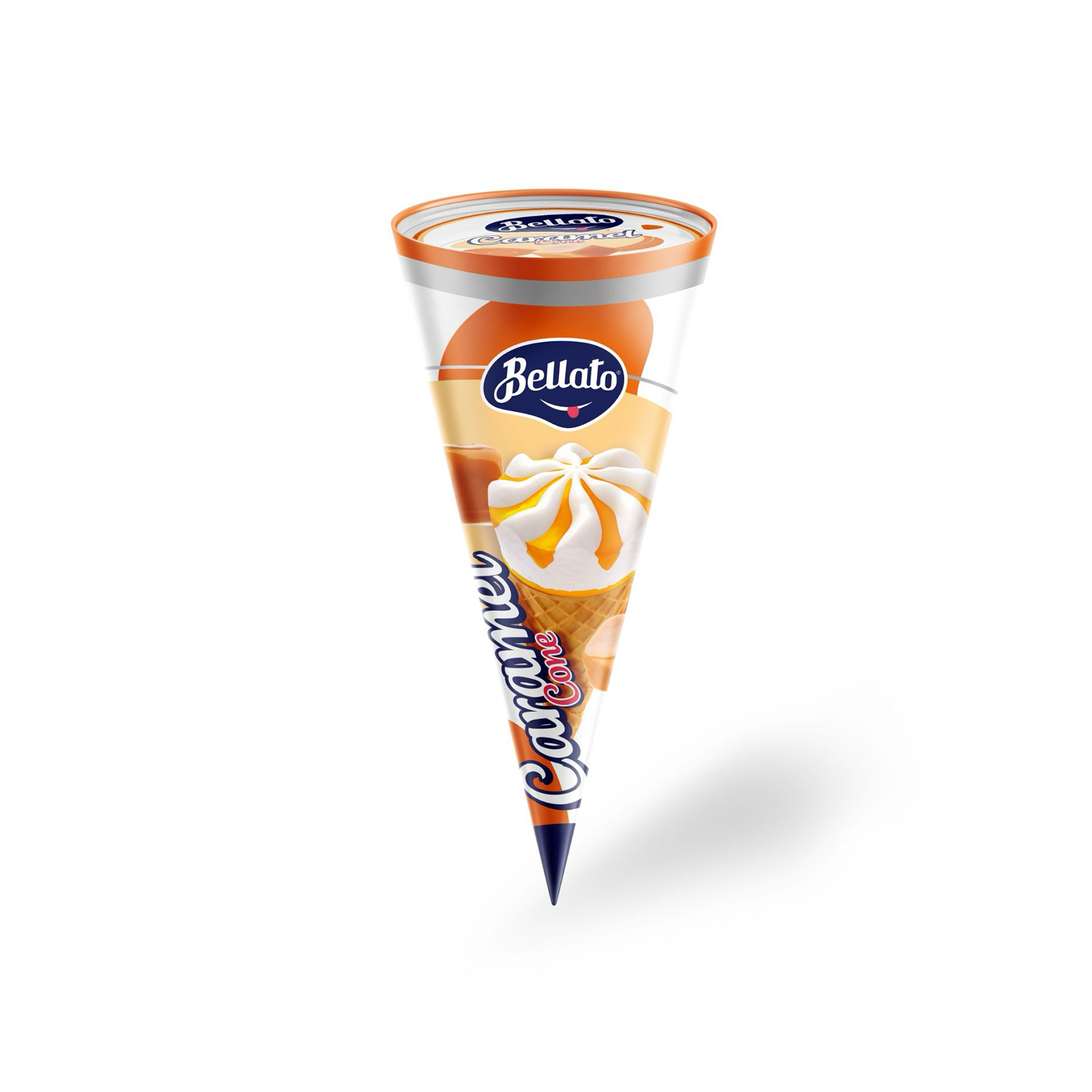
Few things in life are as universally loved as an ice cream cone. Whether you're a child licking a swirl of soft-serve on a hot summer day or an adult savoring a scoop of artisanal gelato at a gourmet shop, the ice cream cone is more than just a vessel — it's an experience. It's a symbol of joy, nostalgia, and pure indulgence enjoyed across cultures and generations.
But how much do you really know about this iconic treat? From its fascinating origin story to the dozens of varieties available today, the ice cream cone has a surprisingly rich history. And as consumer tastes evolve, so does the art and science behind making the perfect cone.
In this comprehensive guide, brought to you by Bellato — a brand rooted in over six decades of ice cream heritage — we'll explore everything you need to know about the ice cream cone: its history, types, how it's made, and why it continues to reign supreme as one of the world's most beloved dessert formats.
Direct Answer Box: What Is an Ice Cream Cone?
An ice cream cone is an edible, cone-shaped wafer or waffle pastry used to hold one or more scoops of ice cream. Made from a thin, crispy baked dough, it serves as both a container and a complementary flavor component to the frozen dessert it holds. Ice cream cones come in multiple varieties including waffle cones, sugar cones, wafer cones, and cake cones, each offering a different texture and taste experience.
The Fascinating History of the Ice Cream Cone
Origins: A Happy Accident at the 1904 World's Fair
The story of the ice cream cone is one of the most delightful accidents in culinary history. While ice cream had been served in bowls and dishes for centuries, the cone format was popularized — and possibly invented — at the 1904 Louisiana Purchase Exposition (World's Fair) in St. Louis, Missouri.
According to popular legend, an ice cream vendor ran out of dishes and turned to a neighboring waffle vendor, Ernest Hamwi, who rolled his thin waffle pastries into cone shapes. The result was an instant sensation.
Of course, history is rarely so simple — several vendors at the fair claimed credit for the invention — but there's no denying that the 1904 World's Fair put the ice cream cone firmly on the global map.
From Street Treat to Global Icon
By the early 1900s, the ice cream cone had become a commercial product manufactured at scale. The first cone-rolling machines were patented between 1903 and 1912, setting the stage for mass production. By the mid-20th century, ice cream cones were a staple of summer culture across North America, Europe, and the Middle East.
[STAT] 📊 According to the International Dairy Foods Association (IDFA), the United States alone produces more than 1.5 billion gallons of ice cream and related frozen desserts per year, with a significant portion served in cone format.
Types of Ice Cream Cones
Not all cones are created equal. The type of cone you choose dramatically affects the overall ice cream experience. Here's a breakdown of the most common varieties:
1. Waffle Cone
The waffle cone is arguably the most popular and recognizable type. Made from a batter that's pressed in a waffle iron and rolled while still warm, it has a crunchy texture and a rich, slightly caramelized flavor. Its wide opening makes it ideal for generous scoops and creative toppings.
2. Sugar Cone
The sugar cone is similar to the waffle cone but is made with a slightly different recipe — typically including more sugar — giving it a sweeter, crispier bite. It has a pointy tip and a more uniform shape, making it easy to hold without dripping.
3. Wafer Cone (or Cake Cone)
This is the classic cone you'll find at most supermarkets and ice cream parlors. It's lighter, crispier, and more neutral in flavor than a waffle cone. Its flat-bottomed variation — often called a cake cone — can even stand upright, which is a huge convenience for families with young children.
4. Pretzel Cone
A more recent innovation, the pretzel cone introduces a savory twist to the ice cream cone experience. The salty, crunchy exterior pairs beautifully with sweet ice cream flavors like caramel, chocolate fudge, or vanilla bean.
5. Chocolate-Dipped Cone
Many waffle and sugar cones are dipped in chocolate and sprinkled with nuts or toppings before the ice cream is added. The chocolate creates a delicious barrier that also helps prevent sogginess — a clever design feature that has become a standard at premium ice cream shops.
6. Rolled Waffle (Asian-Style) Cone
Popularized in East Asia and now trending globally, this thicker, chewier cone is made from a bubbled or egg-waffle batter. It's softer on the inside and lightly crispy on the outside, offering a completely different textural experience.
How an Ice Cream Cone Is Made: From Batter to Crunch
The process of making a high-quality ice cream cone involves more precision than most people realize. Here's how it works at an industrial level:
Ingredients
The basic batter for a cone includes:
- Flour (provides structure)
- Sugar (adds sweetness and browning)
- Eggs (for binding and texture)
- Butter or oil (adds richness and flavor)
- Salt and vanilla (for taste)
Production Process
- Mixing: Ingredients are combined to form a smooth, consistent batter.
- Baking: The batter is spread onto a heated iron plate or conveyor system, which bakes it flat.
- Rolling: While still warm and pliable, the baked wafer is shaped into a cone and sealed at the tip.
- Cooling: The cone solidifies as it cools, locking in its crispy texture.
- Quality Control: Cones are inspected for uniformity, color, and structural integrity.
[STAT] 📊 Modern automated cone production lines can produce up to 20,000 cones per hour, utilizing precise temperature controls and robotic rolling systems to ensure consistent quality across every batch.
At Bellato, this process reflects decades of inherited craftsmanship. Founded under the Al-Sabah Company — which has been perfecting frozen dessert manufacturing since 1959 — Bellato was established in the Kingdom of Saudi Arabia in 2021 to carry that legacy forward with state-of-the-art automated production lines, high-capacity output, and a mission to serve both the local market and international export channels.
Why the Ice Cream Cone Is More Than Just a Container
The Psychology of the Cone
There's a reason ice cream served in a cone feels more special than ice cream served in a cup. Research in sensory psychology suggests that the act of holding a food item increases engagement with the eating experience. The cone creates an interactive, immersive experience — you eat from the top down, rationing your enjoyment, managing your pacing, savoring every lick.
The Edible Advantage
The cone is not just functional — it's delicious. Unlike a paper cup or plastic bowl, an ice cream cone adds texture, flavor, and crunch. The interplay between cold, creamy ice cream and a warm, crispy cone is a textural contrast that food scientists describe as a key driver of dessert satisfaction.
Sustainability Benefits
With growing awareness of single-use plastics, the edible ice cream cone has also gained attention as an environmentally friendly option. No plastic spoons, no paper cups — just ice cream and a cone that disappears completely when you're finished eating.
[STAT] 📊 A 2022 report by the Ellen MacArthur Foundation highlighted edible food packaging — including ice cream cones — as part of a broader strategy to reduce single-use plastic waste in the food service industry by up to 30% by 2030.
Ice Cream Cone Trends in 2024 and Beyond
The ice cream cone industry is far from static. Here are some of the most exciting trends shaping how cones are enjoyed today:
🌈 Color and Novelty Cones
Black charcoal cones, pink dragon fruit cones, and rainbow-striped waffle cones have become social media sensations. Instagrammable ice cream is a genuine market driver, and the cone is central to that visual appeal.
🌿 Gluten-Free and Vegan Cones
As dietary preferences diversify, so do cone options. Gluten-free waffle cones made from rice flour or almond flour are now widely available, as are vegan-certified varieties made without eggs or dairy.
🍫 Premium Filled Cones
The interior of the cone itself is becoming a canvas — some brands now fill the tip of the cone with chocolate, caramel, or nut butter, creating a surprise reward for the final bite.
🌍 Regional Flavors Going Global
From Middle Eastern-inspired flavors like saffron and rose water to Japanese matcha and Korean red bean, the ice cream cone is becoming a vehicle for global culinary exploration.
How to Choose the Right Ice Cream Cone
Choosing the right cone depends on a few key factors:
| Factor | Best Cone Type |
|---|---|
| **Young children** | Cake cone (flat bottom, sturdy) |
| **Large scoops** | Waffle cone (wide opening) |
| **On-the-go** | Sugar cone (durable, pointed) |
| **Gourmet experience** | Chocolate-dipped waffle cone |
| **Dietary restrictions** | Gluten-free or vegan wafer cone |
| **Visual impact** | Colored or specialty cones |
Bellato: A Legacy of Ice Cream Excellence
For those who take their ice cream seriously, the brand behind the product matters. Bellato was created by the Al-Sabah Golden Company in Saudi Arabia, an enterprise with roots stretching back to 1959 — over 60 years of intergenerational expertise in frozen dessert manufacturing.
Bellato's state-of-the-art facilities feature modern, automated production lines with high capacity outputs, enabling the brand to meet the demands of the Saudi local market while scaling for regional and international export. This blend of heritage craftsmanship and modern innovation makes Bellato a trusted name in the ice cream cone and frozen dessert category.
Whether you're a retailer, distributor, or simply a passionate dessert lover, Bellato represents a commitment to quality that goes far beyond the cone itself.
Your Top Questions About Ice Cream Cones Answered
1. Who invented the ice cream cone?
The ice cream cone is most commonly credited to Ernest Hamwi, a Syrian waffle vendor who reportedly rolled his pastries into cone shapes to help an ice cream vendor at the 1904 St. Louis World's Fair. However, multiple vendors have claimed credit for the invention.
2. What is the most popular type of ice cream cone?
The waffle cone is widely considered the most popular type worldwide due to its rich flavor, sturdy structure, and large capacity for scoops and toppings.
3. Are ice cream cones vegan?
Traditional cone recipes include eggs and sometimes butter, making them non-vegan. However, many brands now offer vegan-certified ice cream cones made with plant-based alternatives. Always check the packaging.
4. How do you keep an ice cream cone from getting soggy?
To prevent sogginess, choose a chocolate-dipped cone (the coating acts as a moisture barrier), serve ice cream that isn't too melted, and consume the cone promptly. Some premium cones also use moisture-resistant formulations.
5. Can ice cream cones be made gluten-free?
Yes. Gluten-free ice cream cones are widely available and are typically made using rice flour, tapioca starch, or almond flour in place of traditional wheat flour.
Conclusion: Celebrate Every Scoop with the Perfect Cone
The ice cream cone is one of humanity's most enduring edible inventions — simple in concept, endlessly versatile in execution, and capable of transforming a scoop of ice cream into a full sensory experience. From its accidental origins at a World's Fair to its current status as a global dessert icon, the cone continues to evolve while staying true to what makes it great: it's delicious, functional, and brings a smile to everyone who holds one.
Whether you prefer a classic wafer cone, a premium chocolate-dipped waffle cone, or a trendy specialty creation, the experience always comes back to quality — quality of the ice cream, and quality of the cone that holds it.
At Bellato, we carry over six decades of passion and expertise into every product we make. From our roots in the Al-Sabah Company's 1959 legacy to our cutting-edge facilities in Saudi Arabia, we exist to deliver ice cream experiences that are nothing short of extraordinary.
Explore Bellato's full range of frozen desserts and cone products — [discover our story] and taste the difference that heritage makes.